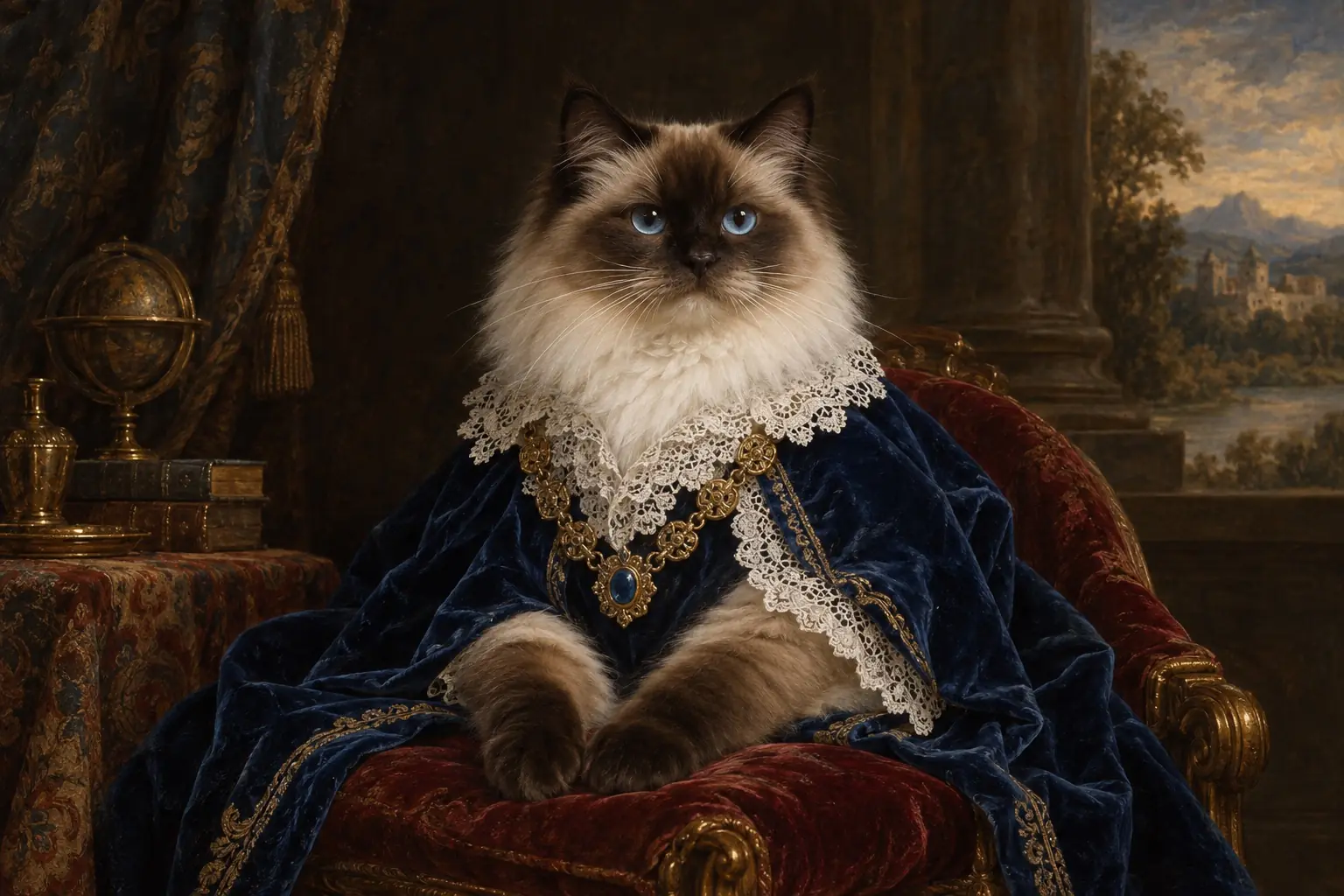
With its bright blue eyes, soft coat and relaxed nature, the ragdoll is one of the most loved cat breeds in the world. The name says it all: many ragdolls go completely limp, like a rag doll, when you pick them up. In this article you will read everything about the ragdoll's personality, care, size and health.
Where does the ragdoll come from?
The ragdoll was developed in the 1960s in California by breeder Ann Baker. She bred from a white longhaired cat with an unusually calm temperament. Other breeders later refined the breed, and today the ragdoll is recognised by all the major cat associations.
Personality: the dog of the cat world
Ragdolls are known for being calm, friendly and strongly focused on people. Many owners describe them as 'dog-like':
- They often follow you from room to room.
- They come to the door when you get home.
- Some ragdolls even learn to fetch.
- They are usually patient with children and get along well with other cats and dogs.
A ragdoll is not a climber who spends all day on top of the wardrobe. He likes to play, but mostly looks for company on the sofa. Because they are so people-oriented, ragdolls often do not enjoy being left alone for long periods. If you work away from home a lot, a second cat is a good idea.
Because of their trusting nature, ragdolls are not well suited to roaming outdoors. Most are kept indoors, sometimes with access to a secure garden, balcony or catio.
How big does a ragdoll get?
The ragdoll is one of the largest cat breeds, although not quite as big as a Maine Coon.
| Male | Female | |
|---|---|---|
| Adult weight | about 6 to 9 kg (13 to 20 lb) | about 4 to 6.5 kg (9 to 14 lb) |
| Fully grown | around 3 to 4 years | around 3 to 4 years |
Ragdolls grow slowly, so a one-year-old ragdoll is not yet at its full size. Curious about an even bigger cat? Read our article on how big Maine Coons get.
Colours and patterns
Every ragdoll has blue eyes and 'pointed' colouring: the body is light, while the ears, face, legs and tail are darker. Kittens are born almost white; the colour develops over the first few years.
The best-known colours are seal (dark brown), blue (greyish blue), chocolate and lilac. There are also three patterns:
- Colourpoint: dark points without any white.
- Mitted: white 'mittens' on the front paws and white 'boots' at the back, often with a white chin.
- Bicolour: an inverted white V on the face, white legs and a white belly.
Coat care
Ragdolls have a semi-long, silky coat with little undercoat, so it tangles less easily than a Persian's. Brushing once or twice a week is usually enough, with an extra session during the moult in spring and autumn. Pay special attention to the areas behind the ears, under the armpits and on the 'trousers'.
Otherwise, normal cat care applies: check the claws, keep an eye on the teeth and provide enough scratching posts and toys.
Health and life expectancy
Ragdolls are generally healthy cats. The main concern is HCM (hypertrophic cardiomyopathy), a heart condition. There is a DNA test for a known form of HCM in ragdolls, and a good breeder tests the parents and has their hearts checked by ultrasound.
Because ragdolls are calm indoor cats, they also gain weight easily. Watch their portions and play with them every day.
A ragdoll lives 12 to 15 years on average, and sometimes longer with good care. Our article on how long cats live explains what you can do for a long cat life.
Is a ragdoll right for you?
A ragdoll suits you if you are looking for an affectionate, calm cat who loves to be near you, and you can offer a safe indoor life. If you want an independent cat who goes his own way, another breed may be a better choice.
Your ragdoll as a work of art
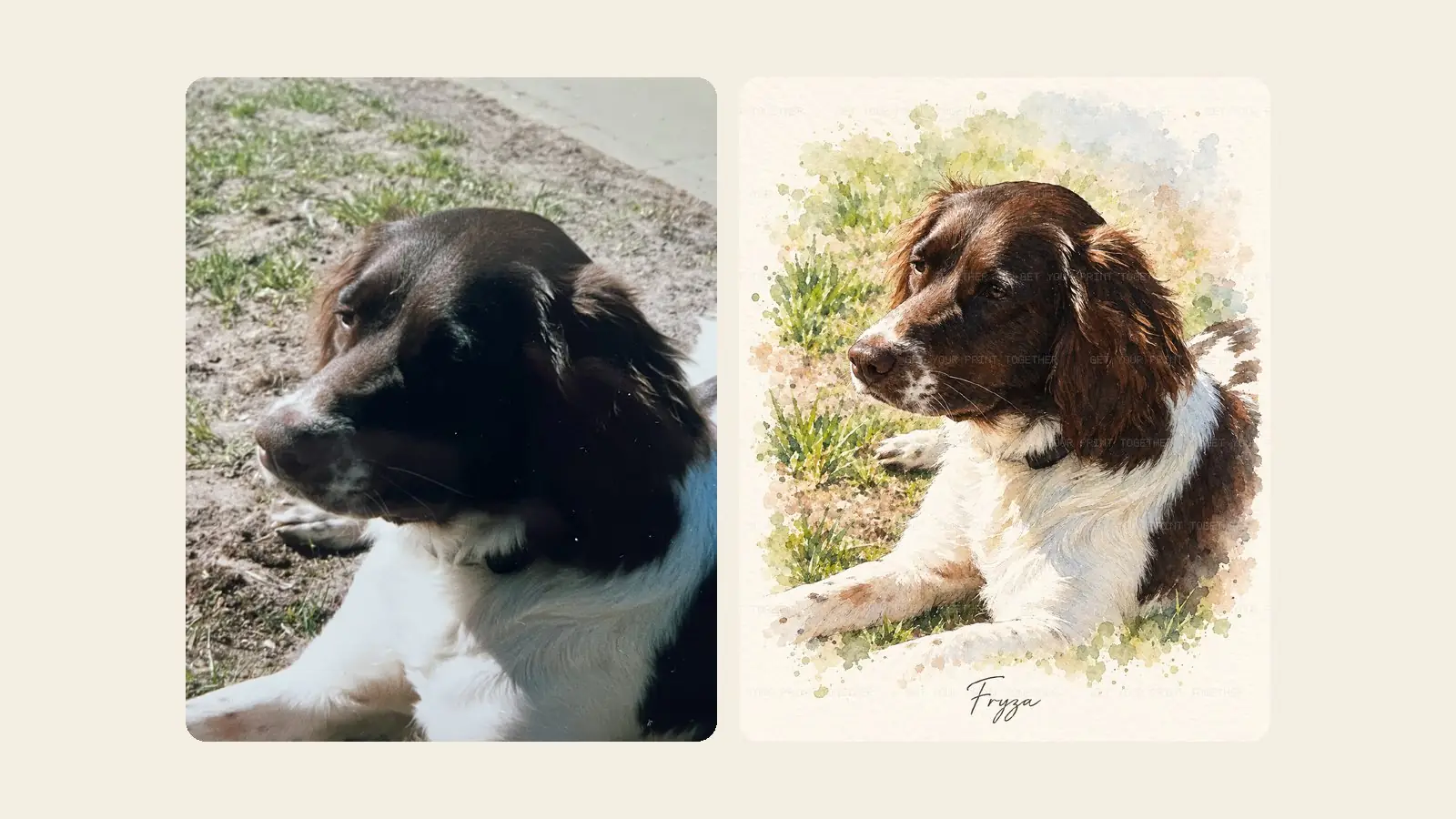
With those blue eyes and that soft coat, a ragdoll is made to be portrayed. At Get Your Print Together you turn a photo of your cat into a portrait in styles such as Renaissance, Van Gogh or a magazine cover. You first see a free preview and then choose a poster or digital download from our products. Also read which photo works best for a pet portrait.